

Introduction
Cannabis, a plant with a long and complex history, has become a major topic of discussion in both medical and wellness communities in recent years. Once primarily known for its psychoactive properties, cannabis is now recognized for its vast therapeutic potential. From pain relief to neurological support, the health benefits of cannabis are being embraced in new and progressive ways. As research expands and legal frameworks evolve, more people are turning to cannabis as a natural aid for various health conditions.
Understanding Cannabis
Cannabis refers to a group of three plants with psychoactive properties: Cannabis sativa, Cannabis indica, and Cannabis ruderalis. The main active compounds in cannabis are cannabinoids, among which tetrahydrocannabinol (THC) and cannabidiol (CBD) are the most well-known. THC is the primary psychoactive compound responsible for the “high” sensation, while CBD is non-psychoactive and known for its calming and healing effects.
Health Benefits of Cannabis
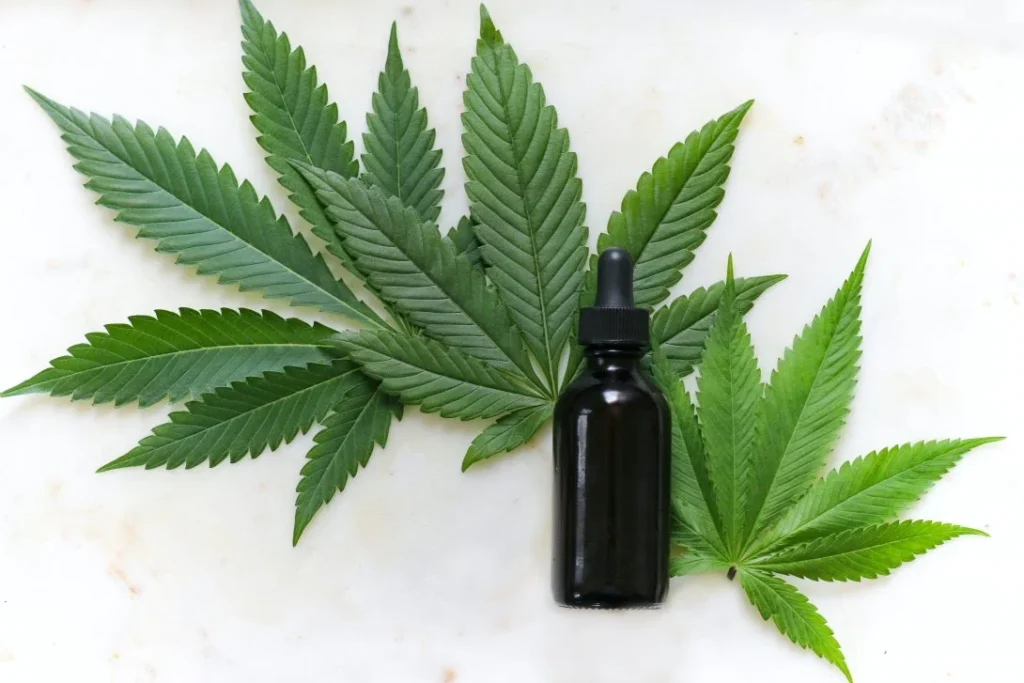
1. Pain Management
One of the most commonly cited uses of cannabis is for pain relief. Both THC and CBD have analgesic properties that interact with the body’s endocannabinoid system, a complex cell-signaling system that plays a role in regulating a range of functions including sleep, mood, appetite, and pain. Cannabis can be particularly effective for chronic pain conditions such as arthritis, fibromyalgia, and neuropathy. It offers a safer alternative for patients seeking to reduce or eliminate their reliance on opioids.
2. Mental Health Support
Cannabis has shown promise in helping manage mental health conditions such as anxiety, depression, and post-traumatic stress disorder (PTSD). CBD, in particular, has been found to reduce anxiety levels and promote a sense of calm without the intoxication associated with THC. Some patients with PTSD have reported significant improvements in sleep, mood, and overall quality of life with regulated cannabis use.
3. Anti-Inflammatory Properties
Inflammation is a root cause of many chronic diseases, including autoimmune disorders and cardiovascular conditions. Cannabinoids have demonstrated anti-inflammatory effects by interacting with immune cells and reducing the production of pro-inflammatory molecules. This makes cannabis a potentially valuable treatment option for conditions like Crohn’s disease, rheumatoid arthritis, and multiple sclerosis.
4. Neurological and Cognitive Support
Research has shown that cannabis may offer neuroprotective benefits, making it a potential treatment for various neurological conditions. In diseases such as Parkinson’s, Alzheimer’s, and multiple sclerosis, cannabis can help reduce symptoms like muscle spasms, tremors, and cognitive decline. CBD is also being investigated for its role in reducing the frequency and severity of seizures in epilepsy patients, particularly in children with rare forms of epilepsy such as Dravet syndrome.
5. Sleep Improvement
Sleep disorders affect millions of people worldwide, and cannabis may offer a natural remedy for insomnia and other sleep-related issues. THC has been found to reduce the time it takes to fall asleep, while CBD may improve sleep quality by addressing underlying causes such as anxiety or chronic pain. Many users report more restful sleep and better overall sleep patterns when using cannabis as part of their nighttime routine.
6. Appetite Stimulation
Cannabis is well known for its ability to stimulate appetite, often referred to as “the munchies.” This effect can be particularly beneficial for individuals undergoing chemotherapy, those living with HIV/AIDS, or patients with eating disorders who struggle with maintaining adequate nutrition. Stimulating appetite can lead to improved caloric intake and better health outcomes.
Digestive Health
Cannabis can also play a role in improving digestive health. It has been used to alleviate symptoms of irritable bowel syndrome (IBS), Crohn’s disease, and other gastrointestinal disorders. By reducing inflammation and modulating gut motility, cannabis may help reduce abdominal pain, cramping, and diarrhea, thereby improving the quality of life for individuals with digestive conditions.
7. Cancer Symptom Relief
While cannabis is not a cure for cancer, it can be an effective tool in managing the symptoms associated with cancer and its treatments. It is commonly used to alleviate nausea and vomiting caused by chemotherapy, reduce cancer-related pain, and stimulate appetite. Some studies are also exploring the potential anti-tumor effects of cannabinoids, though more research is needed in this area.
8. Cardiovascular Health
The effects of cannabis on cardiovascular health are still being studied, but some research suggests that it may help regulate blood pressure and reduce stress-related damage to the heart. CBD in particular has been found to have vasodilatory effects, which can improve blood flow and reduce blood pressure. However, individuals with existing heart conditions should consult their doctor before using cannabis.
9. Skin Health
Topical cannabis products are gaining popularity for their potential benefits to skin health. CBD-infused creams, balms, and oils are used to treat conditions like eczema, psoriasis, and acne. Thanks to its anti-inflammatory and antioxidant properties, CBD can help soothe irritation, reduce redness, and promote healthier skin overall.
Addiction Recovery Support
Cannabis is also being studied as a potential aid in addiction recovery. Some evidence suggests that it may help reduce cravings and withdrawal symptoms in individuals recovering from substance abuse, including alcohol, opioids, and tobacco. By offering a less harmful alternative, cannabis could play a role in supporting long-term recovery.
Menstrual and Reproductive Health
Cannabis is increasingly being used by women to manage menstrual discomfort, including cramps, mood swings, and bloating. It may also offer relief from symptoms associated with conditions like endometriosis and polycystic ovary syndrome (PCOS). Cannabis products designed specifically for menstrual health are becoming more common in wellness markets.
Dosage and Methods of Use
Cannabis can be consumed in various forms, including smoking, vaping, edibles, oils, tinctures, and topicals. Each method has its own onset time and duration of effects, which can influence the choice depending on the condition being treated. For example, smoking or vaping provides quick relief, while edibles offer longer-lasting effects. Topical applications are best for localized pain or skin issues.
It is important to start with a low dose and gradually increase as needed. Consulting a healthcare provider who is knowledgeable about medical cannabis is highly recommended to determine the appropriate dosage and form.
Also Read: A Guide to Cannabis Strains: Which One Is Right for You?
Legal and Safety Considerations
The legal status of cannabis varies by country and region, so it is essential to be aware of local laws before using cannabis products. Additionally, while cannabis is generally well tolerated, it can cause side effects such as dizziness, dry mouth, and altered mental state, particularly with higher doses of THC.
Cannabis may also interact with other medications, so it is crucial to consult with a healthcare professional before starting any new treatment. Pregnant or breastfeeding women should avoid using cannabis unless advised otherwise by a medical expert.
Conclusion
Cannabis is emerging as a powerful natural remedy with a wide range of health benefits. From managing chronic pain and mental health issues to supporting neurological function and skin care, its therapeutic potential is vast and growing. While more research is needed to fully understand its long-term effects and mechanisms, current findings are promising and suggest that cannabis can be a valuable part of a holistic health and wellness approach. As with any treatment, informed and responsible use is key to maximizing its benefits and minimizing potential risks.