
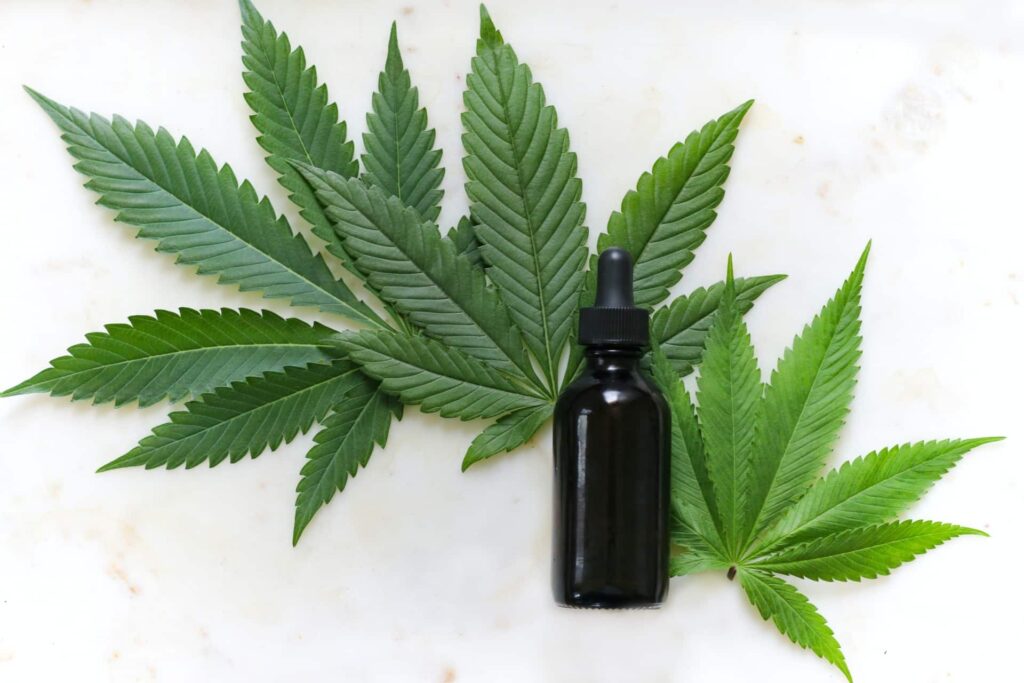
In recent years, cannabis has gained significant attention in the world of sports and fitness. Once considered taboo in many professional sports, cannabis, specifically CBD (cannabidiol) and THC (tetrahydrocannabinol), is now being recognized for its potential benefits in enhancing athletic performance and aiding in recovery. From reducing pain and inflammation to improving sleep quality, many athletes are turning to cannabis as a natural alternative to traditional performance enhancers and recovery aids.
In this blog post, we will explore the impact of cannabis on athletic performance and recovery, looking at both CBD and THC, the science behind their effects, and how they can be integrated into an athlete’s regimen. Whether you’re a professional athlete or a weekend warrior, understanding how cannabis can benefit your performance and recovery is key to optimizing your fitness journey.
What Is Cannabis and How Does It Affect the Body?
Cannabis contains over 100 different chemical compounds called cannabinoids, with the two most commonly known being THC and CBD. These cannabinoids interact with the body’s endocannabinoid system (ECS), which helps regulate a range of functions, including pain, inflammation, mood, and sleep.
- THC is the psychoactive component of cannabis, responsible for the “high” that users experience. It also has pain-relieving and anti-inflammatory properties, which can be beneficial for athletes.
- CBD, on the other hand, is non-psychoactive and does not produce a high. It is primarily known for its anti-inflammatory, analgesic, anxiolytic, and sleep-enhancing effects, making it especially useful for recovery and pain management.
Understanding how both THC and CBD interact with the body is crucial in determining their role in athletic performance and recovery.
The Role of Cannabis in Enhancing Athletic Performance
While cannabis is not a performance-enhancing drug in the traditional sense, research suggests that it may offer benefits that indirectly improve athletic performance by optimizing physical and mental health. Here are some key ways cannabis can impact an athlete’s performance:
1. Pain Management and Anti-Inflammatory Effects
Cannabis, particularly CBD, is known for its anti-inflammatory properties. This makes it useful for reducing inflammation in muscles and joints, which can result from intense physical activity or injury. Athletes often suffer from overuse injuries, such as tendinitis or muscle strains, and cannabis can help reduce the pain and inflammation associated with these conditions.
- CBD for pain relief: CBD interacts with the ECS to reduce inflammation and regulate pain signals. This can help athletes recover faster from strenuous exercise or injury by providing relief from soreness or discomfort.
- THC for pain management: THC is also an effective pain reliever, and its sedative properties can help reduce muscle tension and promote relaxation after intense training.
Using cannabis for pain management can help athletes stay active and perform at their best without relying on prescription medications that may come with unwanted side effects.
2. Improved Focus and Mental Clarity
Cannabis, particularly THC, has been shown to enhance focus and concentration in some users. For athletes who need to stay sharp and focused during their workouts or competitions, microdosing THC may offer benefits without impairing cognitive function or reaction time.
- THC for focus: A small dose of THC may help athletes stay mentally engaged and focused on their tasks, whether it’s during training sessions or high-pressure competition.
- CBD for mental clarity: While THC may offer focus-enhancing effects, CBD is known for its ability to reduce anxiety and stress, which can have a calming effect on the mind, improving overall mental clarity. This is particularly beneficial for athletes who experience performance anxiety or stress before competitions.
3. Increased Relaxation and Stress Relief
The physical demands of athletic training can take a toll on an athlete’s mental and emotional well-being. CBD is known for its anti-anxiety and relaxation properties, making it an excellent tool for managing stress and helping athletes stay calm before and after competitions.
- Stress reduction: CBD helps regulate cortisol, the stress hormone, leading to reduced anxiety and stress, which can ultimately improve performance and focus.
- Relaxation: After intense workouts, relaxing and unwinding is essential for recovery. CBD can help relax both the mind and the body, promoting faster recovery and reducing muscle tension.
4. Enhanced Sleep Quality
Adequate sleep is crucial for athletes to recover, build muscle, and maintain optimal performance. Sleep deprivation can lead to fatigue, reduced reaction times, and decreased endurance. Cannabis, particularly CBD, has shown promise in improving sleep quality by regulating sleep patterns and reducing insomnia.
- CBD for better sleep: Studies have shown that CBD can help improve sleep quality by promoting deeper, more restful sleep. CBD also helps reduce factors like pain, stress, and anxiety, which can often disrupt sleep.
- THC for sleep induction: THC has sedative effects, which may help athletes fall asleep faster and stay asleep longer. This can be particularly beneficial for those with high-stress levels or difficulty unwinding after an intense day of training.
The Role of Cannabis in Recovery
Recovery is just as important as training in an athlete’s routine. Proper recovery allows the body to heal, rebuild muscle, and prepare for the next performance. Cannabis, especially CBD, plays a significant role in helping athletes recover more effectively.
1. Reducing Post-Workout Inflammation
Post-workout inflammation is a common issue faced by athletes, leading to muscle soreness and stiffness. Cannabis helps reduce inflammation and muscle tension, promoting faster recovery.
- CBD topicals: CBD-infused balms or creams can be applied directly to sore muscles, providing targeted relief. These topicals work quickly by absorbing into the skin and interacting with cannabinoid receptors in the area, reducing localized inflammation and pain.
- Oral CBD products: For more widespread inflammation, such as in joints or muscles, oral CBD products like oils, tinctures, and capsules can provide a more systemic effect.
2. Preventing Overtraining and Burnout
Overtraining occurs when an athlete pushes their body too hard without proper recovery, leading to fatigue, injuries, and decreased performance. Cannabis can help manage the stress that comes with overtraining by promoting muscle recovery, mental clarity, and relaxation.
- CBD for muscle recovery: CBD’s anti-inflammatory and pain-relieving properties can help manage the strain caused by overtraining, allowing athletes to recover faster and return to training without fear of burnout.
- THC for relaxation: THC can help alleviate the tension and stress associated with overtraining, promoting deep relaxation and recovery.
How to Use Cannabis for Athletic Performance and Recovery
There are several ways athletes can incorporate cannabis into their routine, depending on their needs and preferences. Here are some methods of consumption:
- CBD tinctures: For quick relief, athletes can take CBD tinctures sublingually (under the tongue) for fast absorption.
- CBD capsules: For a more consistent and controlled dose, CBD capsules are a great option. These are slower to take effect but provide long-lasting relief.
- Topicals: For localized pain or inflammation, CBD-infused balms, creams, or lotions can be applied directly to the skin.
- Edibles: CBD gummies and other edibles are a convenient option, but they take longer to take effect due to the digestive process.
- Vaping: While not recommended for everyone, vaping offers fast absorption, making it ideal for quick relief from pain or stress.
Read Also : A Guide to Cannabis Strains: Which One Is Right for You?
Conclusion
Cannabis, particularly CBD, is a promising option for improving athletic performance and recovery. Whether used for pain management, reducing inflammation, enhancing focus, improving sleep, or promoting relaxation, cannabis offers a natural and effective alternative to traditional performance-enhancing substances and recovery aids.
Athletes from all disciplines are increasingly turning to cannabis as a way to manage the physical and mental demands of their training and competitions. However, it’s important to experiment with the right dosage and form of cannabis that works best for your body and needs.
As with any new supplement or treatment, always consult with a healthcare professional before incorporating cannabis into your routine, especially if you have pre-existing conditions or are on other medications. With proper guidance and the right approach, cannabis can become a valuable tool in helping you reach your full athletic potential.