
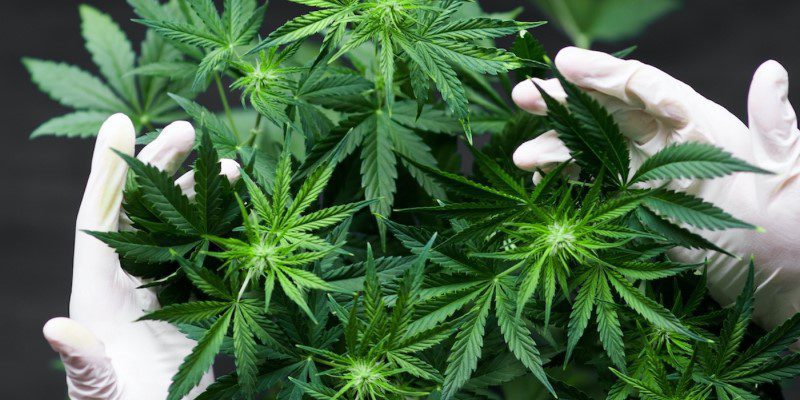
Cannabis has long been valued for its diverse therapeutic properties, with much of its appeal linked to the levels of THC (tetrahydrocannabinol) and CBD (cannabidiol) in its chemical makeup. Both of these cannabinoids have unique effects on the body, but their concentrations can vary significantly from one plant to another. The primary factor that dictates these cannabinoid levels is the genetics of the cannabis seed.
Understanding how seed genetics influence the levels of THC and CBD is essential for growers, breeders, and consumers looking to cultivate or select cannabis plants for specific effects. This guide will dive deep into how cannabis seed genetics determine THC and CBD concentrations, the role of breeding and hybridization, and how genetic expression is influenced by environmental factors.
What are THC and CBD?

Before exploring the genetics, it’s crucial to understand the significance of THC and CBD:
- THC (Tetrahydrocannabinol): THC is the primary psychoactive compound in cannabis, responsible for the “high” associated with marijuana. It binds to CB1 receptors in the brain, affecting mood, memory, perception, and motor control. THC is also known for its therapeutic benefits, such as reducing pain, nausea, and insomnia.
- CBD (Cannabidiol): Unlike THC, CBD is non-psychoactive and does not cause a high. It interacts with the endocannabinoid system in a more indirect way, offering therapeutic benefits without altering mental state. CBD is known for its anti-inflammatory, anti-anxiety, and pain-relieving properties.
Cannabis Genetics 101: The Basics
Cannabis, like any other plant, has a unique genetic code that determines its growth patterns, appearance, and chemical composition, including cannabinoid levels. There are three primary types of cannabis plants, which form the foundation for modern cannabis strains:
- Cannabis sativa: Known for its tall structure and energizing effects, Sativa plants tend to have higher THC levels and lower CBD levels. This genetic profile makes them ideal for people seeking an uplifting and cerebral high.
- Cannabis indica: Typically shorter and bushier than Sativa, Indica plants are known for their relaxing effects. These plants often have a more balanced ratio of THC to CBD, making them popular for pain relief, sleep, and relaxation.
- Cannabis ruderalis: While less well-known, Ruderalis plants are prized for their ability to flower automatically without changes in light cycles. These plants generally have lower THC levels and are used primarily in breeding autoflowering hybrids.
The Role of Genetics in Determining THC and CBD Levels
Cannabis genetics play a vital role in determining the ratio of THC to CBD in a given plant. Each cannabis plant has a specific set of genetic instructions that guide the production of cannabinoids. These instructions are housed in the plant’s DNA and expressed through the interaction of various genes and alleles.
Cannabinoid Synthase Genes
The primary genes responsible for cannabinoid production are known as cannabinoid synthase genes, which encode enzymes that help produce cannabinoids during plant growth. The two most important genes for THC and CBD production are:
- THC synthase (THC-A): This gene produces the enzyme responsible for converting CBGA (cannabigerolic acid) into THCA (tetrahydrocannabinolic acid), which is then converted to THC through decarboxylation (heating or aging). Plants with higher THC-A activity produce more THC.
- CBD synthase (CBD-A): Similarly, this gene converts CBGA into CBDA (cannabidiolic acid), which is then decarboxylated into CBD. Plants with higher CBD-A activity produce more CBD.
The genetic expression of these two enzymes determines whether the plant will produce predominantly THC, CBD, or a mixture of both. Depending on the genetic inheritance of the plant, it may favor THC production, CBD production, or have a balanced ratio.
Types of Genetic Inheritance for Cannabinoid Ratios
In cannabis, the combination of alleles (gene variants) inherited from parent plants dictates the ratio of THC to CBD. Cannabis can be divided into three main chemotypes based on its genetic makeup and cannabinoid content:
- Type I – High THC, Low CBD
Plants classified as Type I are genetically predisposed to produce high levels of THC and low levels of CBD. This is the most common chemotype found in recreational cannabis strains. Type I plants have active THC synthase genes and inactive CBD synthase genes, meaning they focus on THC production.- Example: Most Sativa strains like Durban Poison or Jack Herer are Type I plants, known for their strong psychoactive effects.
- Type II – Balanced THC and CBD
Type II plants have a more balanced production of both THC and CBD. This chemotype is favored for medical use, as it offers the therapeutic effects of both cannabinoids without an overwhelming psychoactive experience. Type II plants have both THC synthase and CBD synthase genes active, resulting in a mixed ratio of cannabinoids.- Example: Strains like Cannatonic and Harlequin are Type II, with nearly equal levels of THC and CBD.
- Type III – High CBD, Low THC
Plants in the Type III chemotype are high in CBD and low in THC. This genetic makeup is common in hemp plants and medical cannabis strains where psychoactive effects are minimized in favor of CBD’s therapeutic properties. These plants have active CBD synthase genes but inactive THC synthase genes, meaning most CBGA is converted to CBDA.- Example: Charlotte’s Web and ACDC are popular Type III strains, known for their high CBD content and negligible THC.
How Breeding Influences THC and CBD Levels
Cannabis breeding has significantly evolved in recent years, allowing breeders to fine-tune the genetic profile of cannabis plants. By crossbreeding different cannabis strains, growers can create hybrids with specific traits, including cannabinoid profiles.
1. Selective Breeding
Selective breeding involves choosing parent plants with desired traits (such as high THC or high CBD) and crossing them to create offspring with those characteristics. Breeders can focus on:
- Increasing THC levels in recreational strains by crossing high-THC plants.
- Developing high-CBD strains by selecting plants with active CBD synthase genes.
- Creating balanced strains by mixing Type I and Type III plants to produce Type II offspring.
2. Autoflowering and Hybrid Strains
By crossbreeding Cannabis ruderalis with other cannabis types, breeders have created autoflowering strains that combine the automatic flowering trait of Ruderalis with the high THC or CBD levels of Indica or Sativa strains. This makes it easier for growers to cultivate plants that flower based on age, rather than light cycles, while still maintaining desired cannabinoid levels.
Environmental Factors Affecting THC and CBD Expression
While genetics play a critical role in determining the cannabinoid content of a plant, environmental factors can also influence how those genes are expressed. Some of the most significant factors include:
1. Light Exposure
Light exposure, particularly during the flowering stage, directly affects the development of cannabinoids. Cannabis plants that receive more intense light (either from the sun or artificial sources) tend to produce higher levels of THC. Light cycles can also influence whether a plant switches from vegetative growth to flowering, impacting cannabinoid production.
2. Temperature and Humidity
High temperatures can degrade THC and other cannabinoids, leading to a reduction in potency. Conversely, plants grown in optimal temperature and humidity conditions tend to produce higher levels of both THC and CBD. Maintaining the right balance during cultivation helps ensure that the plant reaches its full genetic potential.
3. Soil and Nutrients
The quality of the soil and the availability of nutrients can affect how well a cannabis plant expresses its genetic traits. Certain nutrients, such as nitrogen, phosphorus, and potassium, are essential for healthy growth and cannabinoid production. Poor soil or nutrient deficiencies can limit a plant’s ability to produce high levels of THC or CBD.
4. Harvest Timing
The timing of the harvest can influence the levels of THC and CBD in a plant. For instance, harvesting cannabis early in the flowering stage may result in lower THC levels, while waiting too long can cause THC to degrade into CBN (cannabinol), reducing the psychoactive effects. Harvesting at the right time ensures optimal cannabinoid levels based on the plant’s genetic profile.
Read Also : The Art of Crossbreeding: How New Cannabis Strains Are Created
Conclusion: The Power of Genetics in Shaping Cannabinoid Levels
The genetic makeup of a cannabis plant is the primary determinant of its THC and CBD levels. By understanding the role of cannabinoid synthase genes, growers and breeders can manipulate these genetics to produce strains with specific cannabinoid profiles. Whether you’re cultivating cannabis for recreational, medicinal, or industrial purposes, choosing the right genetics and managing environmental factors will ensure the highest quality and potency.
As cannabis breeding continues to evolve, the potential for creating custom cannabinoid ratios increases, providing consumers with more options for targeted effects and therapies. Whether you’re looking for a high-THC strain for relaxation or a high-CBD strain for pain relief, the genetic foundation of cannabis seeds offers endless possibilities for innovation and enhancement in the cannabis industry.