
Introduction
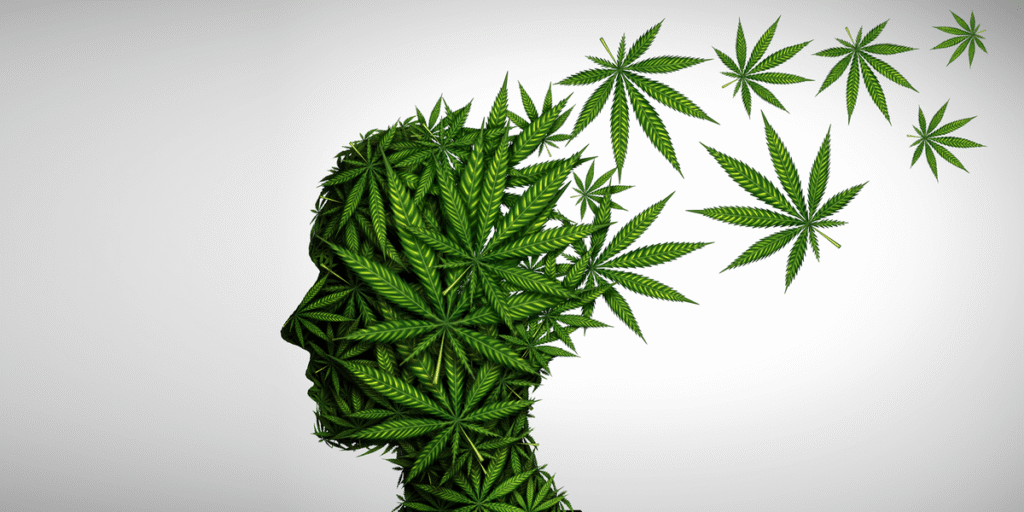
Cannabis has gained significant attention in recent years, both for its recreational use and its potential therapeutic benefits. Among the many areas of interest, mental health stands out as a key focus. People suffering from anxiety, depression, PTSD, and other mental health conditions often wonder if cannabis could offer relief. However, while cannabis may hold promise, it also comes with risks that should be carefully considered. This blog explores both the potential benefits and drawbacks of cannabis use related to mental health.
Understanding Cannabis and Its Components

Cannabis is a complex plant that contains more than 100 active chemical compounds known as cannabinoids. Among these, the two most widely studied and understood cannabinoids are THC (tetrahydrocannabinol) and CBD (cannabidiol). THC is the primary psychoactive compound responsible for the characteristic “high” associated with cannabis use. When consumed, THC binds to specific receptors in the brain, leading to altered perception, mood changes, and euphoria. On the other hand, CBD is non-intoxicating, meaning it does not produce any psychoactive effects or a “high.” Instead, CBD is often praised for its potential therapeutic properties, including reducing inflammation, relieving anxiety, and promoting relaxation.
Both THC and CBD exert their effects by interacting with the body’s endocannabinoid system (ECS), a complex cell-signaling network that plays a crucial role in maintaining internal balance, or homeostasis. The ECS regulates a variety of physiological functions such as mood, stress response, appetite, sleep, and cognitive processes. Through binding to cannabinoid receptors located throughout the brain and body, THC and CBD influence these vital functions in different ways. While THC tends to activate the receptors directly, leading to psychoactive effects, CBD modulates receptor activity and influences other signaling pathways, which may explain its calming and therapeutic qualities. Understanding these differences is key to appreciating how cannabis affects mental health and why certain strains or products might be more suitable for specific needs.
Potential Benefits for Mental Health
Many users report that cannabis helps reduce anxiety and promote relaxation. CBD, in particular, has been studied for its anxiolytic (anxiety-reducing) properties. Research suggests that CBD may ease symptoms of social anxiety, improve sleep quality, and support emotional balance. For some, cannabis helps relieve symptoms of PTSD by reducing nightmares and hyperarousal.
Additionally, cannabis may help with depression by influencing brain chemistry and promoting neurogenesis in areas linked to mood regulation. Some patients find cannabis beneficial as an adjunct therapy, improving overall quality of life.
Risks and Considerations
While cannabis can be helpful, it is not without risks, especially concerning mental health. THC’s effects vary widely: low doses may reduce anxiety, but higher doses can cause paranoia, increased anxiety, or psychotic-like symptoms. People with a history of bipolar disorder, schizophrenia, or other psychotic disorders may experience worsened symptoms.
Chronic heavy use, particularly of high-THC strains, has been associated with increased risk of depression, anxiety, and cognitive impairment. The concept of “amotivational syndrome”—a decrease in motivation and productivity—has been linked to prolonged cannabis use, though more research is needed.
Choosing the Right Cannabis for Mental Health
For individuals interested in using cannabis to support mental health, products that are rich in CBD and contain low levels of THC are often recommended. This is because CBD offers potential therapeutic benefits such as reducing anxiety and promoting relaxation without producing the intoxicating effects associated with higher THC content. Choosing CBD-dominant strains or formulations can provide a gentler experience, which may be especially important for those who are sensitive to THC or new to cannabis use.
Microdosing, the practice of consuming very small amounts of cannabis, is gaining popularity as a way to enjoy the benefits while minimizing potential side effects like paranoia, dizziness, or increased anxiety. By taking just enough to feel subtle effects, users can carefully manage their experience and avoid becoming overwhelmed. This approach encourages mindfulness and precision, allowing the user to find the lowest effective dose that works for their unique body chemistry and mental health needs.
It’s crucial to start with a low dose and gradually increase it if needed, all while closely monitoring how your body and mind respond. Keeping a journal or notes on your experiences can help track what works best and identify any adverse reactions early on. Consulting with a healthcare professional familiar with cannabis can also provide valuable guidance and ensure a safer, more effective approach to using cannabis for mental health support.
Also Read: Cannabis and Fitness: Recovery, Focus, and Anti-Inflammatory Support
Conclusion
Cannabis holds potential as a natural aid for certain mental health conditions, but it is not a cure-all. Understanding both its benefits and risks can help users make informed decisions. Always consult healthcare professionals before incorporating cannabis into your mental health regimen, especially if you have a history of psychiatric illness. Responsible use and personalized care remain key to safely exploring cannabis as part of mental wellness.