

Introduction
Medical cannabis has moved from the fringes of alternative therapy into mainstream healthcare conversations over the past decade. As research expands and regulations evolve, more patients and healthcare providers are exploring its potential for managing a variety of conditions. While it is not a cure-all, medical cannabis may offer relief for certain symptoms and improve quality of life when used responsibly.
Understanding where it fits—and where it doesn’t—is key to making informed decisions.
What Is Medical Cannabis?
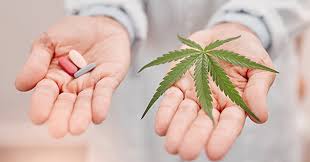
Medical cannabis refers to the use of the cannabis plant or its compounds—primarily cannabinoids like CBD (cannabidiol) and THC (tetrahydrocannabinol)—for therapeutic purposes. These compounds interact with the body’s endocannabinoid system (ECS), which helps regulate functions such as pain, mood, sleep, appetite, and immune response.
THC is known for its psychoactive effects, while CBD is non-intoxicating and often associated with calming and anti-inflammatory properties. Different strains and formulations of cannabis contain varying ratios of these compounds, allowing for more personalized treatment approaches.
How Medical Cannabis Works in the Body
The endocannabinoid system plays a central role in maintaining balance within the body. It includes receptors (CB1 and CB2), endocannabinoids produced naturally by the body, and enzymes that break them down.
Cannabinoids from cannabis interact with these receptors. THC binds directly to CB1 receptors in the brain, influencing pain perception, mood, and appetite. CBD works more indirectly, supporting the system’s overall function and modulating how other cannabinoids interact with receptors.
Because the ECS is involved in so many bodily processes, cannabis has the potential to affect a wide range of conditions.
Chronic Pain Management
One of the most common uses of medical cannabis is for chronic pain. Conditions such as arthritis, fibromyalgia, and back pain often involve inflammation and nerve-related discomfort.
Cannabis may help reduce pain by altering pain perception and decreasing inflammation. Some patients report that it allows them to reduce reliance on traditional pain medications, particularly opioids, which carry a higher risk of dependence and side effects.
While results vary, many individuals find cannabis to be a valuable part of a broader pain management strategy.
Anxiety and Stress Disorders
Cannabis is also used by some individuals to manage anxiety and stress-related conditions. CBD, in particular, has been studied for its potential calming effects.
Low to moderate doses of CBD may help reduce anxiety, improve mood, and promote relaxation. However, THC can have mixed effects—while it may reduce anxiety in small amounts, higher doses can sometimes increase it.
Because responses vary significantly, careful dosing and strain selection are essential for those considering cannabis for mental health support.
Sleep Disorders
Sleep issues such as insomnia can have a major impact on overall health. Medical cannabis may help improve sleep by addressing underlying causes like pain, anxiety, or stress.
THC has sedative properties that may help people fall asleep faster, while CBD may support more restful sleep by promoting relaxation. Some users report fewer nighttime awakenings and improved sleep quality.
However, long-term effects on sleep cycles are still being studied, so it’s important to use cannabis thoughtfully in this context.
Epilepsy and Seizure Disorders
One of the most well-supported medical uses of cannabis is in the treatment of certain forms of epilepsy. CBD-based medications have been approved in several countries for conditions such as Dravet syndrome and Lennox-Gastaut syndrome.
CBD appears to help reduce the frequency and severity of seizures in some patients, particularly those who do not respond well to traditional treatments. This has been a major breakthrough for families dealing with severe, treatment-resistant epilepsy.
Multiple Sclerosis (MS)
Multiple sclerosis is a neurological condition that can cause muscle stiffness, spasms, pain, and mobility issues. Medical cannabis may help manage some of these symptoms.
THC, in particular, has shown potential in reducing muscle spasticity and improving overall comfort. Some patients also report better sleep and reduced pain, which can contribute to improved daily functioning.
While not a cure, cannabis may offer symptom relief that enhances quality of life.
Cancer-Related Symptoms
Medical cannabis is sometimes used to help manage symptoms associated with cancer and its treatments. These may include nausea, vomiting, loss of appetite, and pain.
THC has been found to be especially effective in reducing chemotherapy-induced nausea and stimulating appetite. CBD may also help with inflammation and discomfort.
It’s important to note that while cannabis may help with symptoms, it is not a treatment for cancer itself. Patients should always follow their oncologist’s guidance when considering complementary therapies.
Inflammatory Conditions
Conditions such as Crohn’s disease, ulcerative colitis, and rheumatoid arthritis involve chronic inflammation. Cannabis, particularly CBD, has been studied for its anti-inflammatory properties.
By interacting with the immune system, cannabinoids may help reduce inflammation and ease related symptoms such as pain and discomfort. Some individuals report improved symptom control when using cannabis alongside conventional treatments.
Neurological Disorders
Beyond epilepsy and MS, medical cannabis is being explored for other neurological conditions such as Parkinson’s disease and Alzheimer’s disease.
Early research suggests that cannabinoids may have neuroprotective properties, potentially helping to protect brain cells from damage. Patients have also reported improvements in symptoms like tremors, sleep disturbances, and mood changes.
However, more clinical studies are needed to fully understand these effects.
Potential Benefits of Medical Cannabis
Medical cannabis may offer several advantages when used appropriately. These include symptom relief, improved quality of life, and in some cases, a reduction in the need for more potent medications.
It also provides a more flexible approach to treatment, as different strains and formulations can be tailored to individual needs. This level of customization is one of the reasons it has gained popularity in recent years.
Risks and Considerations
Despite its potential, medical cannabis is not without risks. Side effects can include dizziness, dry mouth, impaired memory, and changes in mood or appetite. THC, in particular, may cause psychoactive effects that are not suitable for everyone.
There is also the potential for dependency with long-term or heavy use. Additionally, cannabis may interact with certain medications, making it important to consult a healthcare professional before starting.
Legal status varies by region, so it’s essential to understand local regulations before using medical cannabis.
Choosing the Right Approach
For those considering medical cannabis, the approach should be personalized. Factors such as the condition being treated, individual tolerance, and preferred method of consumption all play a role.
Options include oils, tinctures, capsules, edibles, and vaporized products. Each method has different onset times and durations of effect, which can influence how well it fits into a treatment plan.
Starting with a low dose and gradually adjusting is generally recommended to find the optimal balance.
Also Read: Cannabinoids Explained: Beyond THC and CBD
Final Thoughts
Medical cannabis is a promising option for managing a range of health conditions, particularly those involving pain, inflammation, and neurological symptoms. While it is not a universal solution, it may provide meaningful relief for some individuals when used as part of a comprehensive care plan.
As research continues to evolve, our understanding of cannabis and its medical applications will become more refined. For now, informed use, realistic expectations, and professional guidance are essential.