
Introduction
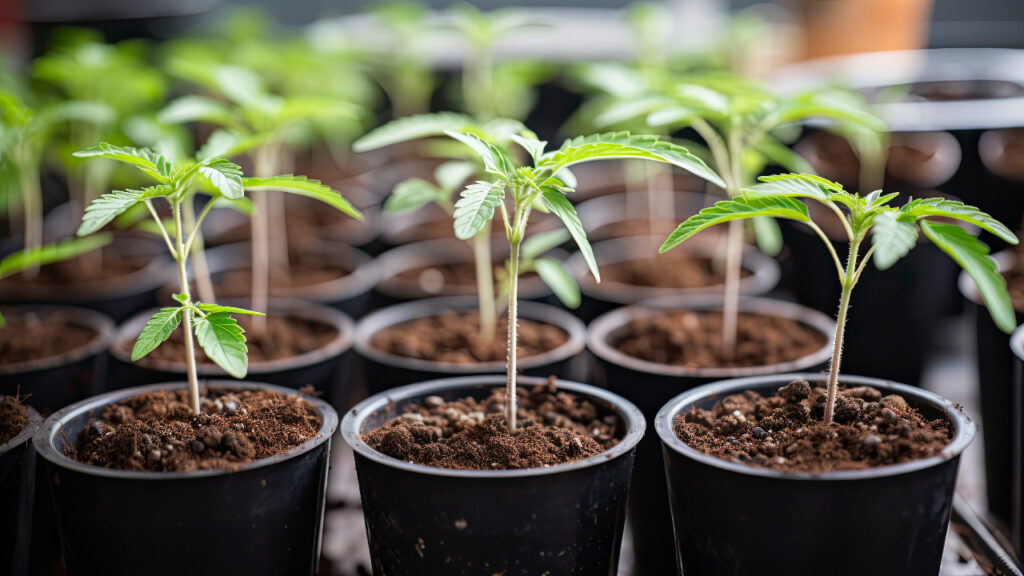
Cloning cannabis is a popular method among growers looking to preserve the genetic traits of their favorite plants and ensure consistent, high-quality yields. This process involves creating genetically identical copies of a mother plant, allowing growers to replicate the same desirable characteristics over and over. In this comprehensive guide, we’ll explore the benefits of cloning, the tools you’ll need, and a detailed, step-by-step process to successfully clone your cannabis plants.
Why Clone Cannabis?

Cloning cannabis is a highly effective cultivation method that has garnered significant attention among both novice and experienced growers. Unlike starting from seeds, cloning allows cultivators to create genetically identical copies of a single, robust mother plant. This technique offers numerous advantages, such as maintaining genetic consistency, ensuring reliable yields, and accelerating the growth process. By preserving the desirable traits of a prized cannabis plant—such as its potency, flavor, and resistance to pests—cloning not only enhances the quality and uniformity of the harvest but also optimizes the overall cultivation efficiency. In this introduction, we delve into the compelling reasons why cloning cannabis is a preferred practice for many growers seeking to maximize their production and quality.
1. Genetic Consistency
Cloning ensures that each new plant inherits the exact genetic makeup of the mother plant. This is particularly beneficial for growers who have found a plant with ideal traits such as high yield, potency, disease resistance, or specific flavor profiles. By replicating these desirable characteristics, growers can maintain a uniform crop, leading to consistent and predictable results with each harvest. Cloning also allows for faster growth compared to starting from seeds, as clones are already mature plant parts ready to root and develop. This method is cost-effective, reducing the need to purchase seeds repeatedly, and helps preserve the genetics of rare or exceptional strains, ensuring their continued availability.
2. Faster Growth
Clones have a head start compared to plants grown from seeds. Since they are essentially mature plant parts, clones can establish roots and enter the vegetative stage more quickly than seedlings. This accelerated growth allows growers to save valuable time in the cultivation process, leading to quicker harvest cycles and potentially more frequent yields. Additionally, clones bypass the germination phase, reducing the uncertainty associated with seed viability and the variability of seedling growth. By using clones, growers can achieve a more streamlined and efficient growing operation, making it easier to manage large-scale production while maintaining high-quality standards across the entire crop.
3. Cost-Effective
Cloning reduces the need to purchase seeds repeatedly. By maintaining a healthy mother plant, you can produce numerous clones, significantly cutting down on costs. This economic advantage is particularly beneficial for both hobbyist and commercial growers, allowing them to reinvest savings into other aspects of their cultivation operations, such as improved growing equipment, nutrients, or additional plants. Furthermore, cloning provides a sustainable approach to cultivation by minimizing the dependency on seed banks and ensuring a continuous supply of plants without the uncertainty of seed germination rates. This method also allows growers to focus on perfecting their growing techniques with genetically consistent plants, enhancing overall productivity and quality.
Also Read: Cracking the Code: Identify Male vs Female Cannabis Plants
Preparing for Cloning
Successfully cloning cannabis plants requires meticulous preparation to ensure that each cutting has the best chance to thrive and develop into a healthy, mature plant. Preparing for cloning involves selecting the right mother plant, gathering essential tools, and setting up an optimal environment for the clones to root and grow. This foundational stage is crucial because it directly impacts the success rate of the clones and the overall efficiency of your cultivation process. By understanding the key steps and requirements for preparing to clone cannabis, you can create a streamlined and effective system that maximizes the genetic potential and quality of your plants. In this introduction, we’ll explore the critical elements involved in getting ready for the cloning process, setting the stage for a successful and productive cloning endeavor.
Tools and Materials Needed:
- Sharp, Sterilized Scissors or Razor Blade: For making clean cuts.
- Rooting Gel or Powder: To promote root development.
- Cloning Tray and Dome: To maintain humidity levels.
- Starter Plugs or Rockwool Cubes: To provide a medium for the clones to root.
- pH-Balanced Water: For soaking the medium and misting the clones.
- Labels: To keep track of different strains or plants.
Selecting the Mother Plant
Choosing the right mother plant is a critical step in the cloning process for cannabis cultivation. The mother plant you select will be the genetic template for all your future clones, so it’s essential to pick one that embodies the best traits you want to replicate. This involves careful evaluation of the plant’s health, vigor, yield potential, and resistance to pests and diseases. In this guide, we will walk you through the key factors to consider when selecting a mother plant for cloning, ensuring you set a solid foundation for successful and productive cannabis cultivation.
Key Traits to Look for in a Mother Plant
1. Health and Vigor: A healthy, vigorous mother plant is crucial for successful cloning. Look for plants that exhibit strong growth, vibrant green leaves, and no signs of disease or pest infestation. A robust mother plant will provide healthy cuttings that root more easily and develop into strong clones.
2. Yield Potential: Select a mother plant known for high yield. This ensures that the clones will also have the potential to produce abundant harvests. Pay attention to the size and density of the buds, as well as the overall biomass of the plant.
3. Potency: Potency is a key factor for many growers, especially those cultivating cannabis for medicinal or recreational use. Choose a mother plant with high levels of cannabinoids, such as THC or CBD, depending on your desired outcome. Lab testing or personal experience with the plant’s effects can guide your selection.
4. Flavor and Aroma: Terpene profile is another important consideration. The mother plant should have a desirable flavor and aroma profile that you want to replicate in your clones. This aspect can significantly enhance the marketability and enjoyment of the final product.
5. Resistance to Pests and Diseases: A mother plant that is resistant to common pests and diseases will produce clones that inherit these resilient traits. This can reduce the need for chemical interventions and improve the overall health and productivity of your crop.
Step-by-Step Cloning Process
Embarking on the cloning process for cannabis plants can seem daunting, but with the right guidance and a systematic approach, it becomes a manageable and rewarding task. The step-by-step cloning process involves several key stages, from taking precise cuttings to nurturing them through root development. Each phase requires attention to detail and adherence to best practices to ensure high success rates and robust plant growth. By following a clear and structured method, growers can replicate the genetic qualities of their favorite cannabis plants, leading to consistent and high-quality harvests. In this introduction, we’ll outline the essential steps involved in cloning cannabis, providing a comprehensive roadmap to help you navigate the process with confidence and achieve optimal results.
1. Preparing the Cloning Area:
Set up a clean, well-lit workspace. Ensure all your tools are sterilized to prevent contamination and infections.
2. Taking Cuttings:
- Identify a Healthy Branch: Look for a branch with at least two to three nodes and healthy leaves.
- Make the Cut: Using sharp, sterilized scissors or a razor blade, make a 45-degree cut just below a node. The cutting should be 4-6 inches long.
3. Preparing the Cuttings:
- Trim the Leaves: Remove the lower leaves from the cutting, leaving a few sets of leaves at the top. This reduces transpiration and helps the cutting focus on root development.
- Apply Rooting Hormone: Dip the cut end of the cutting into rooting gel or powder. This stimulates root growth and increases the chances of successful cloning.
4. Planting the Cuttings:
- Prepare the Medium: Soak your starter plugs or rockwool cubes in pH-balanced water. Make a hole in the center of the medium for the cutting.
- Insert the Cutting: Gently place the cutting into the hole, ensuring the rooting hormone-covered end is in contact with the medium.
5. Maintaining the Clones:
- Humidity and Temperature: Place the clones in a cloning tray with a dome to maintain high humidity levels (around 70-80%) and keep the temperature between 70-75°F (21-24°C).
- Lighting: Provide the clones with 18-24 hours of low-intensity light per day. Fluorescent lights or LED grow lights are ideal.
- Watering and Misting: Keep the medium moist but not waterlogged. Mist the clones with pH-balanced water daily to maintain humidity.
6. Monitoring and Transplanting:
- Check for Roots: After 7-14 days, check for root development by gently tugging on the cuttings. If you feel resistance, roots have formed.
- Transplanting: Once the clones have established a healthy root system, transplant them into larger pots with quality soil or your preferred growing medium.
Troubleshooting Common Issues
Cloning cannabis plants, while highly beneficial, is not without its challenges. Even experienced growers can encounter a variety of issues that can impede the success of their cloning efforts. Understanding and addressing these common issues is crucial for improving cloning success rates and ensuring healthy, vigorous plants. From yellowing leaves and wilting to slow root development and pest infestations, each problem requires specific strategies for prevention and resolution. In this introduction, we will explore the most frequent issues faced during the cannabis cloning process and provide insights on how to troubleshoot and overcome these obstacles, ensuring your clones develop into strong, productive plants.
1. Yellowing Leaves:
This can indicate overwatering, underwatering, or nutrient deficiencies. Adjust watering practices and ensure the clones receive balanced nutrients.
2. Wilting:
Wilting can be caused by low humidity or inadequate light. Increase humidity levels and ensure the clones are receiving sufficient light.
3. Slow Root Development:
This can be due to poor-quality cuttings, improper use of rooting hormones, or suboptimal environmental conditions. Ensure you are using healthy cuttings and maintaining ideal humidity and temperature levels.
Conclusion
Cloning cannabis is a valuable technique for growers looking to replicate the best qualities of their plants and streamline their cultivation process. By following this step-by-step guide, you can successfully clone your cannabis plants, ensuring consistent, high-quality yields with each harvest. Remember, practice makes perfect, and with time, you’ll master the art of cloning and enjoy the numerous benefits it brings to your cannabis garden. Happy growing!